Often, when discussing education policy, people tend to overlook policy for students with disabilities. Moreso, the majority of people rarely give attention to policies that benefit these students, such as the Least Restrictive Environment requirement (LRE) under the Individuals with Disabilities Education Act. Usually, this act is tucked into legal documents, debated in school board meetings, and sometimes interpreted wrong by teachers and parents. However, this act is one of the most important civil rights protections for students with disabilities and one that is vital to prioritize.
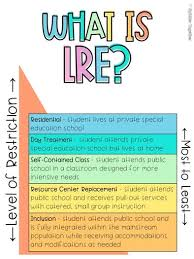
The LRE requires that students with disabilities learn alongside their non-disabled peers as much as possible, with whatever accommodations are necessary. Although it sounds simple, this policy represents a major shift from when students with disabilities were constantly separated or placed in isolated classrooms, which limited their opportunities to associate with other students who are non-disabled.
In this day and age, LRE is the key to inclusive education. It ensures students aren’t kept isolated because of its convenience, and it pushes schools to provide accommodations like specialists, instead of just keeping these students in a box. Despite this requirement not affecting schools as a whole, it affects the minority who need it most, which will lead to a more beneficial environment for all students to thrive.
As schools need to find opportunities to apply this requirement, many schools push students into general education without the proper support. This approach misses the entire point, as the LRE is supposed to be individualized, flexible, and based on the student’s unique needs, not a one-size-fits-all solution.
Thus, I believe pursuing and strengthening LRE is vital for the fundamental education of students with special needs. This policy reflects how schools view fairness, belonging, and human morale. We cannot keep treating inclusion as optional and must treat it as a commitment.