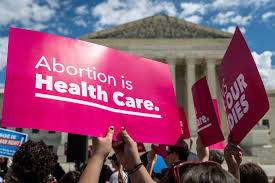
Abortion: “Abortion is the termination of a pregnancy by removal or expulsion of an embryo or fetus. The unmodified word abortion generally refers to induced abortion, or deliberate actions to end a pregnancy” as stated by oxford language. This definition unveils the medical and legal understanding of abortion. However, some people’s perspective on abortion is different, believing it to be “murder”. This is where the divide in our society begins which undoubtedly affects the access to reproductive healthcare policies.
Since overturning Roe v. Wade, abortion bans in many states have been imposed on people, making women travel out of state just for, by medical standards, routine reproductive healthcare. In recent years, around 169,000 people have traveled out of state for abortion care, and these large numbers just keep rising.
Now let’s think of the women who are unable to travel out of state due to low income or family issues. What do you think happens to them? Without the ability to travel, options become dangerous and limited. Many of those women are forced to continue with pregnancy, receive delays in emergency care, or result in unsafe methods. In fact, the Turnaway study explains that women who are denied abortion tend to fall into poverty, remain in abusive relationships, and struggle with education. Access to abortion strongly impacts women’s ability to plan a stable future, career, and family.
In the end, abortion isn’t just some political debate; it’s basic healthcare. By restricting abortions we aren’t stopping them, we are making them more dangerous and unequal. Protecting abortion policies means protecting general healthcare and giving the right to women to dictate their own future.